
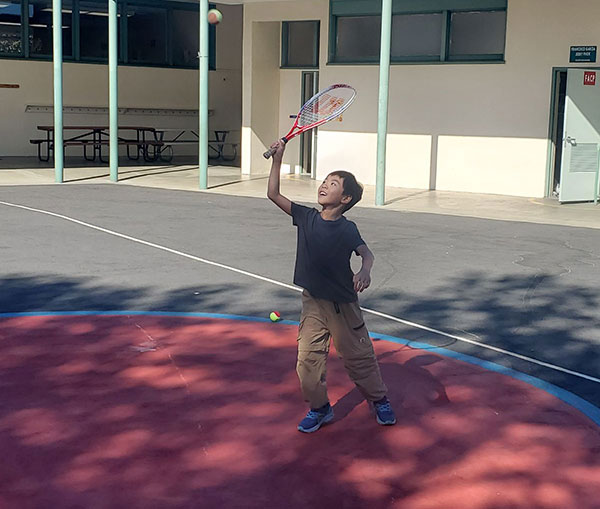
June signals the official start of summer break in the United States. School routines pause, mornings feel lighter, and kids suddenly have long days full of open possibilities. For many families, this is the perfect moment to enroll in a summer camp, a structured yet exciting environment where children can stay active, make friends, and explore new interests. A well-designed summer camp is more than just a place to spend the day; it’s a complete experience that blends fun, learning, movement, and social growth.
From outdoor sports to creative workshops, June summer camps offer a balanced mix of activities that keep kids engaged, energized, and inspired throughout the season.
Why June Is the Ideal Start for Summer Camp
June is a natural transition point for children moving from structured school life into summer freedom. Without daily classes, kids often experience a sudden shift in routine, which can lead to boredom or excessive screen time. Starting summer camp early helps create a healthy rhythm right from the beginning of the break.
At this stage of summer, children are also highly receptive to new experiences. Their energy is fresh, their curiosity is high, and they are eager to explore new environments. This makes June the perfect time to introduce structured play and group activities.
Early enrollment in a summer camp also supports family balance. Parents maintain work schedules while children enjoy a safe, engaging environment. Instead of unstructured days, kids follow a gentle flow of activities that includes movement, creativity, rest, and social interaction.
In short, June sets the tone for the entire summer. A strong start in a well-organized summer camp often leads to a more active, healthy, and enriching break.
Exciting Activities That Make Summer Camp Special
One of the biggest reasons kids love summer camp is the wide variety of activities offered every day. These programs are designed to keep children engaged while introducing them to new skills and experiences.
Outdoor sports are often a central part of camp life. Activities such as soccer, tennis, relay races, and obstacle courses help kids stay physically active while developing coordination, agility, and endurance. These games also encourage teamwork and healthy competition in a fun, low-pressure environment.
Many modern camps also include sports like pickleball, which has become increasingly popular across the United States. It is easy to learn, fast-paced, and great for improving hand-eye coordination. Tennis programs, in particular, help children build focus, timing, and discipline while staying active.
Creative activities are equally important. Arts and crafts sessions, DIY projects, and storytelling workshops give kids a chance to express their imagination. Whether they are painting, building, or designing, children learn how to turn ideas into something tangible and meaningful.
Social interaction is another key highlight. Group games and team challenges help children build communication skills, make new friends, and learn cooperation. These shared experiences often become the most memorable parts of camp life.
The diversity of activities ensures that every child finds something they enjoy, making each day feel fresh and exciting.
How Summer Camp Builds Confidence and Life Skills
While summer camp is full of fun, it also plays a major role in child development. Every activity is carefully designed to help kids grow emotionally, physically, and socially.
One of the most noticeable benefits is increased confidence. When children try new activities and succeed—whether it’s learning a new sport or completing a group challenge—they gain a strong sense of accomplishment. These small wins gradually build self-esteem.
Physical development is another important outcome. Running, jumping, throwing, and balancing all contribute to improved motor skills and overall fitness. Regular movement also supports healthy growth and encourages lifelong active habits.
Summer camps also strengthen problem-solving abilities. Many group activities require children to think quickly, adapt to changes, and work together to achieve goals. These experiences help kids develop flexibility and critical thinking skills in a natural, playful way.
Independence grows as well. Being away from home in a structured yet supportive environment encourages children to make decisions, follow routines, and take responsibility for their actions. This independence becomes a valuable foundation for future school and life experiences.
Overall, summer camp blends fun with meaningful development, creating a well-rounded experience for every child.
What Makes a Great Summer Camp Experience
A high-quality summer camp shares several essential characteristics that shape a positive experience for children.
Safety is always the top priority. A well-run camp provides trained staff, proper supervision, and secure facilities. When children feel safe, they are more comfortable exploring new activities and building relationships.
Variety is another important factor. A strong summer camp program includes a balanced mix of sports, creative arts, group games, and relaxation time. This variety prevents boredom and keeps children engaged throughout the day.
A healthy balance between learning and play is also key. The best camps do not feel like school. Instead, they blend skill-building into fun activities so that learning happens naturally without pressure.
Positive energy and encouragement from staff members also make a big difference. Friendly instructors help children feel included, supported, and motivated to participate. This nurturing environment is what transforms a simple program into a memorable experience.
When these elements come together, summer camp becomes more than just a schedule—it becomes a place where kids thrive.
How Parents Can Choose the Right Summer Camp
Selecting the right summer camp is an important decision for families. The first step is understanding the child’s interests. Some children enjoy sports-focused environments, while others prefer creative or mixed-activity programs. Choosing a camp that matches their personality ensures a more enjoyable experience.
Location and schedule are also practical considerations. A conveniently located camp with flexible hours makes daily routines smoother for both parents and kids. Consistency is key to maintaining engagement throughout the summer.
Program quality should also be carefully reviewed. Parents should look at the variety of activities offered, the experience of staff, and the overall structure of the camp day. A well-organized program usually reflects a more engaging and enriching experience for children.
Above all, the best summer camp is one where children feel excited to return each day. Enthusiasm is often the clearest sign that a camp is the right fit.
Final Thoughts
June summer camps offer an ideal combination of fun, learning, and growth. They provide children with a structured environment where they can stay active, make friends, and explore new interests while enjoying their summer break.
Through sports, creative expression, and meaningful social interaction, kids develop skills that extend far beyond the camp itself. Confidence, independence, coordination, and teamwork all grow naturally through daily activities.
A great summer camp experience is not just about filling time—it’s about creating memories, building character, and shaping a positive, active lifestyle. When chosen thoughtfully, a June summer camp becomes one of the most valuable and unforgettable parts of a child’s year.