
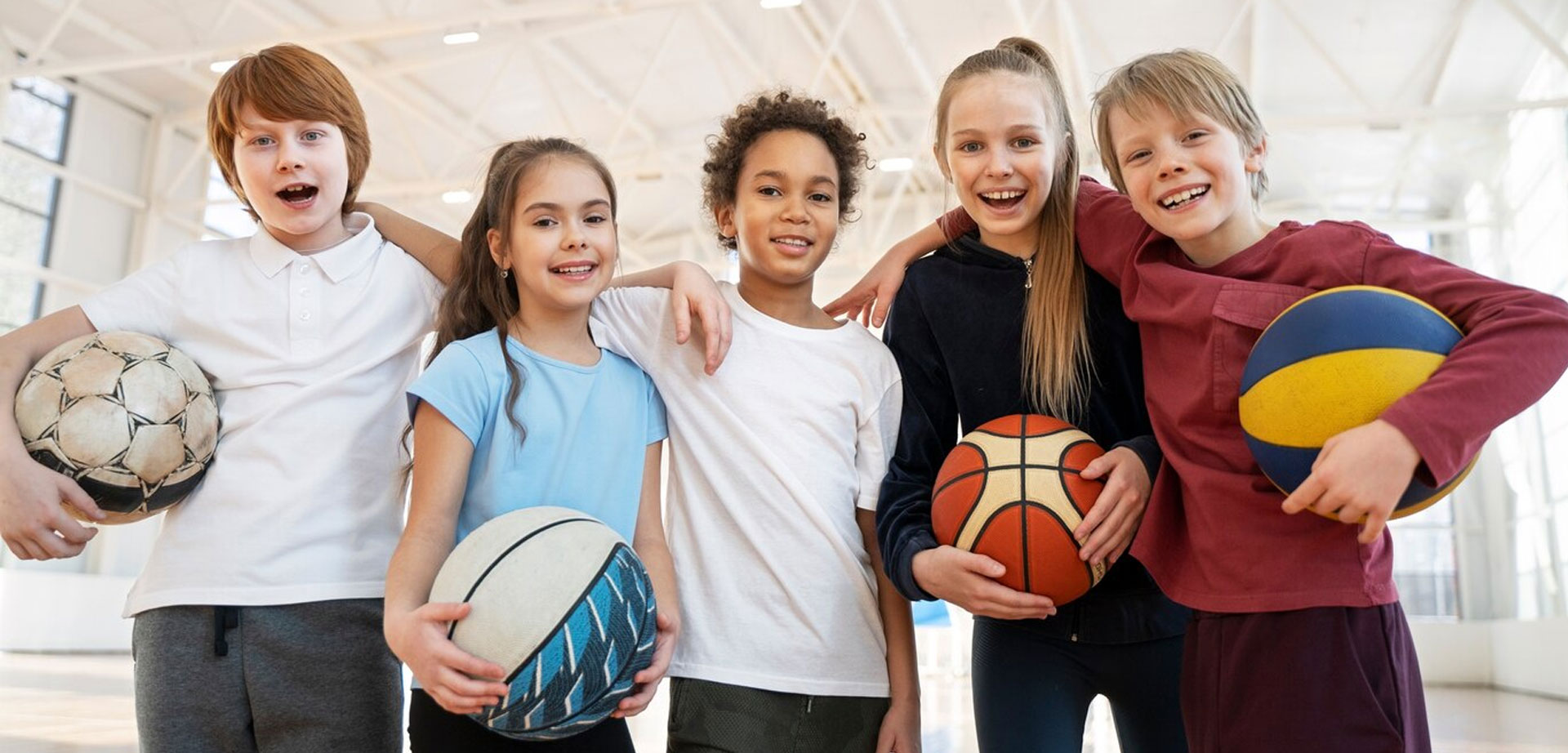
Youth sports are about much more than learning how to score goals, hit a tennis ball, or win games. They provide children with valuable experiences that shape their physical health, emotional well-being, social development, and future success. Whether a child joins an after-school tennis program, plays soccer on the weekends, or participates in volleyball, basketball, or pickleball, the lessons learned through sports often last a lifetime.
As parents look for activities that help their children grow into healthy, confident, and responsible adults, youth sports continue to be one of the best investments they can make. The long-term benefits of youth sports participation extend well beyond childhood, creating habits and life skills that support success in school, careers, relationships, and everyday life.
Youth Sports Build a Strong Foundation for Physical Health
One of the greatest benefits of youth sports participation is the positive impact on physical health. Children who regularly participate in sports develop stronger muscles, healthier bones, improved cardiovascular fitness, and better coordination. Running, jumping, stretching, and practicing sport-specific movements help children build strength while improving flexibility, balance, and endurance.
Regular physical activity also helps maintain a healthy weight and lowers the risk of developing chronic health conditions later in life, including obesity, heart disease, and Type 2 diabetes. Just as importantly, active children often sleep better, have higher energy levels, and enjoy improved overall wellness.
Perhaps the most valuable outcome is that sports create a positive relationship with exercise. Instead of viewing physical activity as something they have to do, children learn to see it as something they enjoy. That mindset often stays with them into adulthood, encouraging lifelong healthy habits.
Sports Strengthen Mental and Emotional Well-Being
The benefits of youth athletics extend far beyond physical fitness. Sports challenge children to overcome obstacles, solve problems, and continue improving even when progress feels slow. These experiences build resilience, one of the most important qualities a child can develop.
Every athlete experiences setbacks. They lose games, make mistakes, and sometimes struggle to master new skills. Through these moments, children learn that failure is not the end of the journey; it is simply part of the learning process. This perspective helps them approach academic challenges, personal goals, and future careers with determination rather than discouragement.
Sports also build confidence. Every successful serve, completed pass, or personal milestone reinforces a child’s belief in their abilities. As confidence grows on the field or court, it often carries over into the classroom and everyday life, encouraging children to take on new opportunities with greater self-assurance.
Physical activity also supports emotional wellness by reducing stress and improving mood. Exercise releases endorphins that naturally boost happiness, helping children feel more relaxed, focused, and emotionally balanced.
Youth Sports Develop Valuable Social and Leadership Skills
One of the most rewarding aspects of youth sports is the opportunity to build meaningful relationships. Whether participating in team sports or individual activities, children interact with coaches, teammates, competitors, and mentors who help shape their personal growth.
Team sports teach communication, cooperation, and accountability. Players learn how to encourage one another, resolve conflicts respectfully, and work together toward common goals. They discover that success is often the result of collaboration rather than individual achievement.
Individual sports, such as tennis, also develop important interpersonal skills. Athletes learn self-discipline while building respect for opponents, officials, and coaches. They become comfortable accepting constructive feedback and using it to improve their performance.
Leadership naturally develops as children gain experience. Older athletes often mentor younger teammates, while captains learn how to motivate others, communicate effectively, and lead by example. These leadership qualities remain valuable throughout adulthood, both personally and professionally.
Sports Improve Academic Performance and Career Readiness
Many parents are surprised to learn that participating in youth sports can positively influence academic achievement. Children who balance schoolwork with sports often develop excellent time-management skills because they learn how to organize homework, practices, and personal responsibilities.
Sports also teach goal setting. Athletes understand that achieving success requires planning, consistency, and patience. Whether working toward improving a tennis backhand or preparing for an important competition, children learn how to break large goals into smaller, manageable steps.
These same skills apply directly to education and future careers. Employers consistently seek individuals who demonstrate discipline, teamwork, adaptability, leadership, and strong communication skills. Many of these qualities are developed naturally through youth sports participation.
In addition, sports encourage critical thinking and decision-making under pressure. Athletes learn to analyze situations quickly, adjust strategies, and remain composed during challenging moments—valuable skills in both professional and personal settings.
Healthy Habits Continue Into Adulthood
One of the greatest long-term benefits of youth sports is the establishment of lifelong healthy habits. Children who participate in sports are more likely to remain physically active as adults, continuing to prioritize exercise and overall wellness throughout their lives.
Sports also reinforce the importance of proper nutrition, hydration, quality sleep, and personal responsibility. Young athletes quickly realize that healthy choices directly influence their performance, helping them develop routines that support long-term well-being.
Beyond physical health, sports often create lifelong friendships and a strong sense of community. Shared experiences, teamwork, and mutual encouragement build lasting relationships that continue long after childhood ends. Many adults remain connected to sports by coaching youth teams, joining recreational leagues, or staying active with family and friends.
These lifelong habits contribute to improved physical health, stronger emotional well-being, and a greater overall quality of life.
Conclusion
The long-term benefits of youth sports participation extend far beyond the scoreboard. Sports help children develop healthy bodies, resilient minds, strong character, and essential life skills that prepare them for future success. From improving physical fitness and emotional well-being to strengthening leadership, teamwork, and communication, youth sports provide lessons that continue to shape children well into adulthood.
Whether your child participates in tennis, soccer, volleyball, basketball, pickleball, or another after-school sports program, every practice and every game presents an opportunity to grow. The confidence they build, the friendships they form, and the healthy habits they establish become valuable assets throughout life.
Investing in youth sports is truly an investment in your child’s future. The skills they develop today will help them succeed in school, build meaningful relationships, pursue rewarding careers, and maintain a healthy, active lifestyle for years to come.