
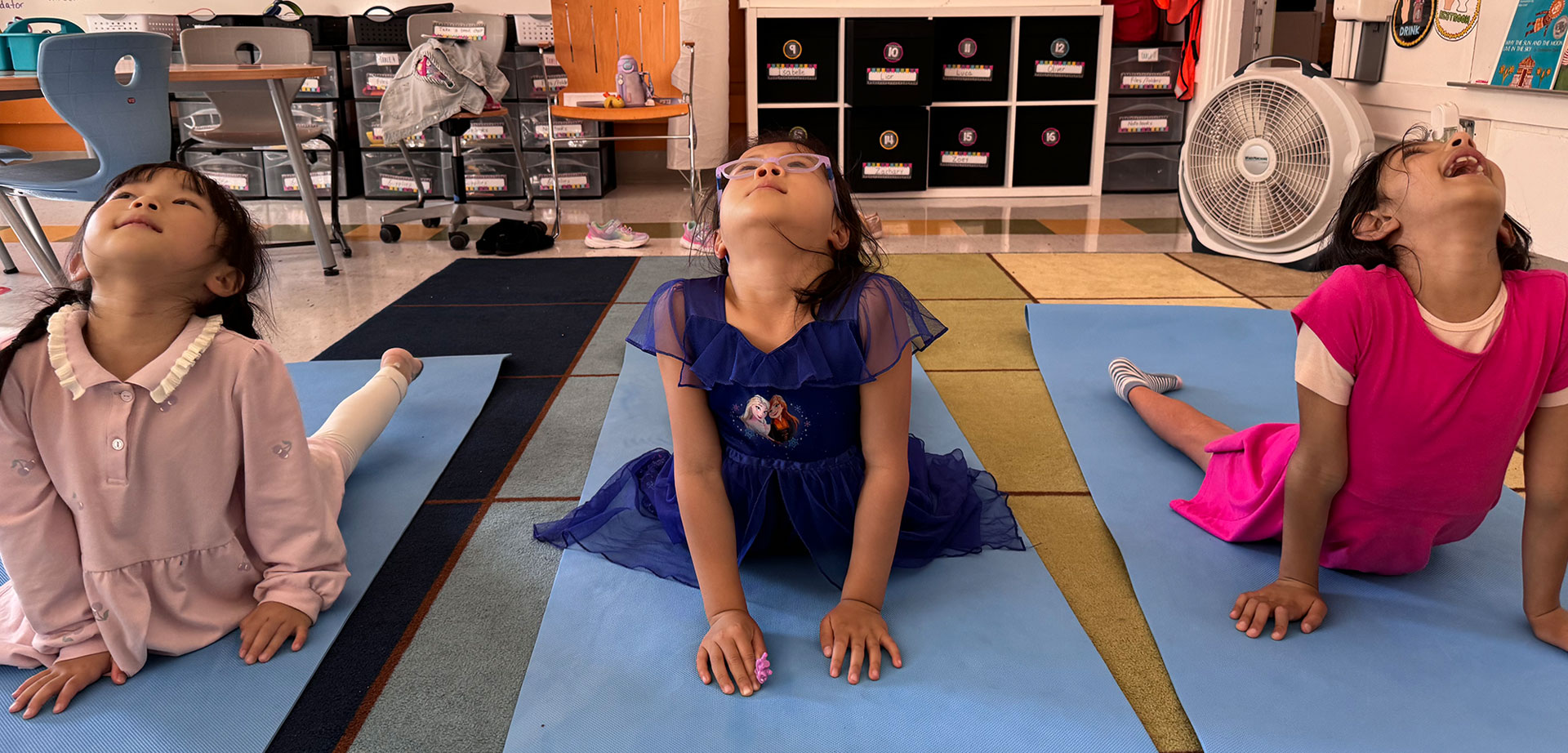
After a full day of school, children need more than another hour of structured learning. They need opportunities to move, recharge, socialize, and unwind. This is why many after-school programs are expanding beyond traditional academic support and sports activities to include wellness-focused options such as yoga.
Yoga for kids can be a fun, accessible activity that supports physical fitness, mindfulness, confidence, and emotional well-being. It does not require expensive equipment or a competitive environment, making it a practical addition to many after-school programs.
Whether the goal is to encourage healthy movement or create a calmer afternoon routine, children’s yoga can offer meaningful benefits for students of different ages and abilities.
1. Why After-School Programs Need More Than Academics
The hours after school are an important part of a child’s daily routine. After spending several hours sitting in classrooms, listening to lessons, and completing assignments, children often need a change of pace.
An effective after-school program can provide that transition.
Instead of focusing exclusively on homework or competitive sports, programs can offer a balanced selection of activities that support the whole child. Yoga can fit naturally into this approach because it combines movement, concentration, relaxation, and self-awareness.
A yoga session can also serve as a bridge between school and home. Children can release some of their physical energy while learning techniques that help them slow down and refocus.
This balance is especially valuable in a busy after-school environment.
2. Physical Benefits of Yoga for Kids
Improves Flexibility, Balance, and Coordination
One of the most obvious benefits of yoga is physical movement. Yoga poses encourage children to stretch, balance, and control their bodies in different positions.
Simple poses can help children develop flexibility and coordination while making movement enjoyable. Balance-focused activities can also challenge children to concentrate on posture and stability.
For younger students, these exercises can be introduced through playful activities. Animal-inspired poses, movement games, and short sequences can make yoga feel like an adventure rather than a formal workout.
Builds Strength and Body Awareness
Yoga is not simply stretching. Many poses require children to support their body weight and maintain controlled positions, which can help develop functional strength.
Yoga also encourages body awareness, sometimes referred to as proprioception. Children learn to notice how their bodies move, where they are positioned, and how different movements feel.
This awareness can complement other physical activities, including tennis, soccer, dance, and recreational games.
Encourages Healthy Movement Habits
Not every child enjoys competitive sports. Some may feel more comfortable with activities that allow them to progress at their own pace.
Yoga offers that flexibility.
Rather than competing against classmates, children can focus on their own participation and improvement. This can help create a positive relationship with physical activity and encourage children to view exercise as something enjoyable rather than something they have to “win.”
3. Supports Mental and Emotional Well-Being
Helps Children Relax After School
Children can experience stress, frustration, and mental fatigue just like adults. After a demanding school day, jumping immediately into another highly structured activity may not always be the best transition.
Yoga can provide a calmer alternative.
Gentle stretching, breathing exercises, and mindful movement can give children time to decompress. Even a short yoga session can create a purposeful pause before homework, free play, or other activities.
Teaches Mindfulness and Emotional Awareness
Mindfulness is another important component of children’s yoga. Kids can learn simple techniques such as paying attention to their breathing, noticing how their bodies feel, or remaining focused during a particular movement.
These exercises can help children become more aware of their emotions.
For example, a child who recognizes that they are feeling frustrated may eventually learn to pause, breathe, and regain composure before reacting. Yoga does not eliminate difficult emotions, but it can introduce practical strategies for managing them.
Builds Confidence and Self-Awareness
Yoga can also support children’s confidence.
A child may initially struggle with a balanced pose but gradually become more comfortable with practice. Another child may be hesitant to participate but eventually feel confident enough to join the group.
These small achievements can be meaningful.
Because yoga emphasizes personal progress rather than competition, children can experience success without comparing themselves with everyone around them.
4. Encourages Positive Social Skills
An after-school yoga class is not only an individual experience. It is also an opportunity for children to practice social skills.
Students learn to share space, listen to instructions, respect boundaries, and participate as part of a group. Partner activities can introduce cooperation, while group sequences can encourage children to work together.
Yoga can also create a more inclusive environment.
Children do not need to be the fastest runner, strongest athlete, or most coordinated student to participate. Activities can be adapted for different ages, experience levels, and physical abilities.
That accessibility can help more children feel comfortable and included.
5. Can Improve Focus and Classroom Readiness
Yoga requires children to listen carefully and follow a sequence of movements. They may need to remember what comes next, maintain a particular position, or concentrate on their breathing.
These activities naturally encourage attention and patience.
For after-school programs that combine recreation with homework support, this can be particularly useful. A short yoga session may provide children with a transition period before they sit down for academic work.
The goal should not be to make yoga another demanding class. Instead, it can be used as a refreshing activity that helps children shift from one part of their afternoon to another.
6. How to Add Yoga to an After-School Program
Keep Activities Age-Appropriate
Yoga for young children should look different from an adult yoga class.
Younger kids often respond well to storytelling, music, movement games, and imaginative poses. Older students may enjoy structured sequences, balance challenges, stretching routines, and short mindfulness exercises.
The instructor should adjust activities according to the children’s ages and abilities.
Keep Sessions Fun and Engaging
An after-school yoga program does not need complicated equipment or lengthy sessions. A simple routine might include a warm-up, several beginner-friendly poses, a movement game, breathing exercises, and a brief relaxation period.
Variety can also keep children interested.
Themed classes, playful challenges, and interactive activities can make each session feel fresh while still providing a consistent routine.
Create a Consistent Schedule
Consistency can help children become familiar with yoga and understand what to expect.
An after-school program might offer yoga once or twice a week alongside sports, arts and crafts, homework support, or free play. Over time, children can gradually become more comfortable with the movements and mindfulness techniques.
Conclusion: A Simple Addition With Lasting Value
Adding yoga to an after-school program can create a well-rounded experience that supports children’s physical, mental, emotional, and social development.
Yoga for kids can improve flexibility, balance, coordination, and body awareness while also introducing mindfulness and relaxation. Just as importantly, it provides a noncompetitive environment where children can build confidence and appreciate their own progress.
For after-school programs looking to offer more diverse enrichment activities, children’s yoga is a practical and versatile option. With age-appropriate instruction and engaging activities, a yoga program can become a positive part of the afternoon—helping children move, breathe, refocus, and enjoy their time outside the classroom.