
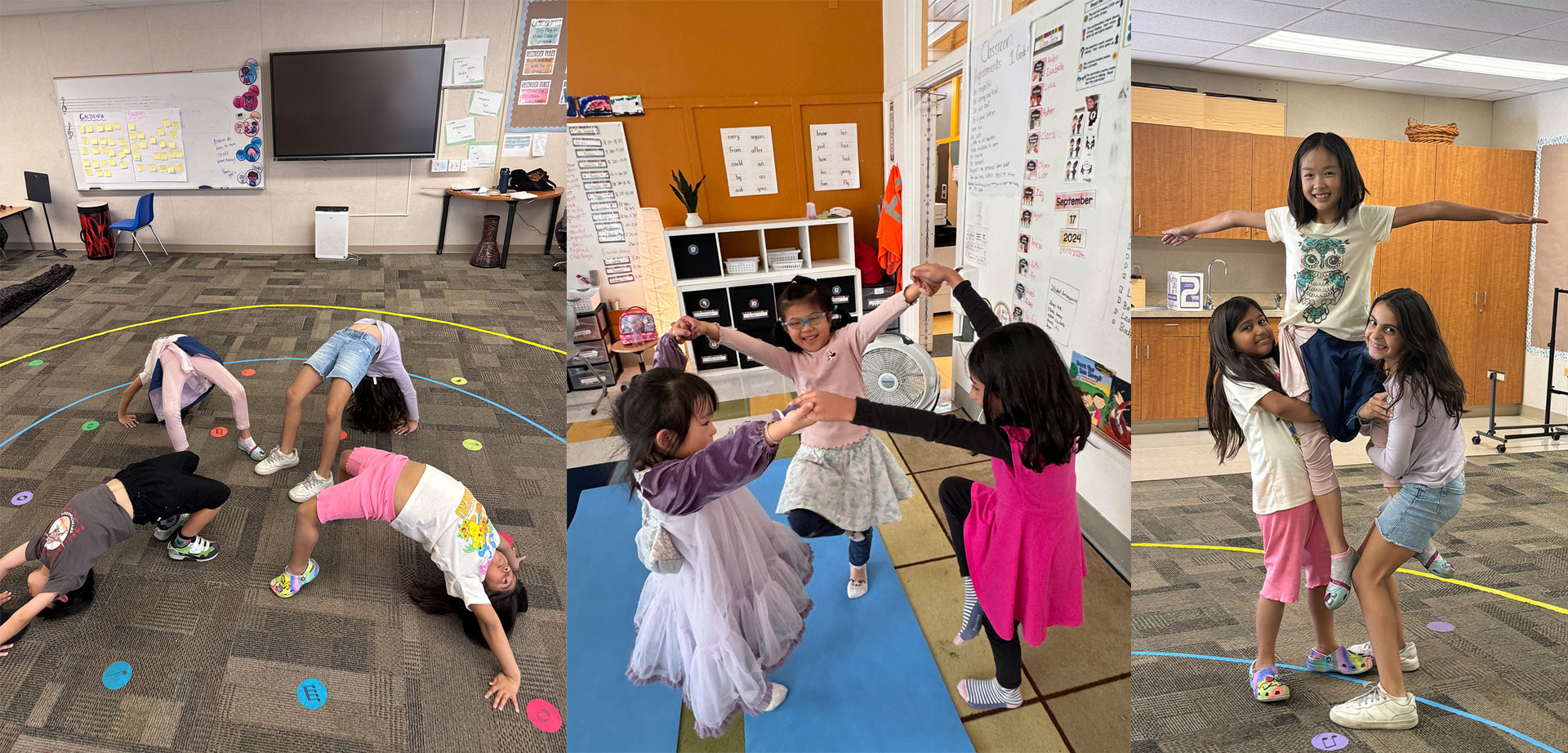
Dance is more than music and movement. For children, it is a playful way to build coordination, focus, self-expression, and confidence. As kids learn steps, follow rhythms, and practice routines, they develop physical skills while gaining experience handling challenges.
Whether it is part of an after-school program, recreational class, or weekly activity, dance gives children a welcoming space to move, learn, and grow.
Why Dance Is More Than Just Movement
Dance combines several skills at once. Children listen to music, watch demonstrations, remember sequences, control their bodies, and respond to changing rhythms. This makes dance a dynamic activity that supports physical and cognitive development.
For kids, learning through movement can feel like play rather than exercise. A simple routine may require them to jump, turn, stretch, balance, and change direction.
Over time, these experiences can strengthen body awareness and movement control.
How Dance Builds Coordination
Improves Balance and Body Control
Coordination develops when children learn to make different parts of their bodies work together. Dance naturally encourages this skill.
A child might step forward while raising an arm, turn while maintaining balance, or jump and land with control. These movements require proprioception, or an awareness of the body’s position in space.
With regular practice, children can become more comfortable controlling their movements. Steps may become smoother, posture more stable, and transitions more deliberate. These skills can also support other activities, including sports, playground games, and gymnastics.
Strengthens Rhythm and Timing
Music adds another dimension to coordination. Children learn to recognize beats, follow patterns, and adjust their movements to match the tempo.
Clapping along with a song can be an early introduction to rhythm. As children progress, they may combine several movements into a sequence while staying with the music. This helps connect what they hear with how they move.
Develops Motor Skills Through Repetition
Dance involves practice, and repetition plays an important role in developing motor skills. Children may repeat a movement several times before it feels natural.
Each practice session gives the brain another opportunity to reinforce movement patterns. Gradually, actions that once required intense concentration can become more automatic.
This process builds movement fluency. Children learn that improvement often comes from consistent effort rather than instant perfection, an encouraging lesson that can apply to many areas of childhood development.
How Dance Builds Confidence
Encourages Self-Expression
Dance gives children an outlet for self-expression. Instead of relying only on words, they can communicate through movement, facial expressions, gestures, and rhythm.
This freedom can be especially meaningful for children who are naturally quiet or hesitant. A supportive dance class allows them to experiment without needing every movement to be perfect.
As children become more comfortable expressing themselves, they may also become more willing to participate, try unfamiliar activities, and share their ideas with others.
Helps Kids Overcome Fear of Mistakes
Nobody learns a dance routine perfectly on the first attempt. Forgetting a step, moving in the wrong direction, or missing a beat is part of learning.
A positive dance environment teaches children that mistakes are temporary, not embarrassing failures. They can pause, try again, and keep going.
That experience can change how children respond to challenges. Instead of thinking, “I cannot do this,” they can learn to think, “I am still learning this.” This mindset helps nurture resilience and confidence.
Creates a Sense of Achievement
Learning choreography takes effort. When children finally complete a routine they have been practicing, they experience a genuine sense of accomplishment.
Small victories matter. Remembering a challenging combination, improving balance, or confidently performing a routine can reinforce the connection between effort and progress.
These moments help build self-efficacy, the belief that personal effort can lead to improvement.
Dance Supports Social and Emotional Growth
Dance can also strengthen social skills. Many classes involve partners, small groups, or full routines in which everyone must work together.
Children learn to take turns, follow shared instructions, maintain personal space, and pay attention to others. They begin to understand that their actions can affect the group.
Moving to music can provide a healthy outlet for energy and feelings, while supportive instructors can help children feel accepted and encouraged.
Dance Can Improve Focus and Discipline
Learning choreography requires attention. Children must remember what comes first, what follows, and how movements connect.
Practice also teaches patience. A routine that seems complicated at first becomes easier when it is divided into smaller sections and practiced consistently.
This process helps children understand that meaningful progress takes time. They learn to listen carefully and stay engaged.
Those habits can transfer to other settings, including schoolwork, sports, and everyday responsibilities.
How to Make Dance Fun and Meaningful for Kids
The best dance experiences for children focus on participation, progress, and enjoyment rather than perfection.
Activities should match the child’s age and ability. Younger children may enjoy imaginative games, simple rhythms, and playful movements. Older children can gradually explore more advanced choreography and dance styles.
Positive reinforcement is equally important. Praising effort, improvement, and perseverance can be more motivating than focusing only on performance.
A welcoming environment matters, too. When children feel safe making mistakes, they are more likely to experiment, participate, and take creative risks.
Parents and program leaders can keep children engaged by choosing energetic, age-appropriate, and varied activities. Short routines and movement games can keep classes fresh.
A Small Step With Big Benefits
Dance offers children much more than a chance to move to music. It helps develop coordination, balance, rhythm, motor skills, focus, and body awareness.
At the same time, each new step learned and each challenge overcome can strengthen confidence. Children discover that practice can lead to progress, mistakes can be corrected, and unfamiliar skills can eventually become familiar.
For families looking for engaging after-school activities, dance can be a valuable choice. It combines physical activity with creativity, social connection, and personal growth.
Most importantly, dance gives kids a chance to move, express themselves, and discover what they can accomplish, one step at a time.