
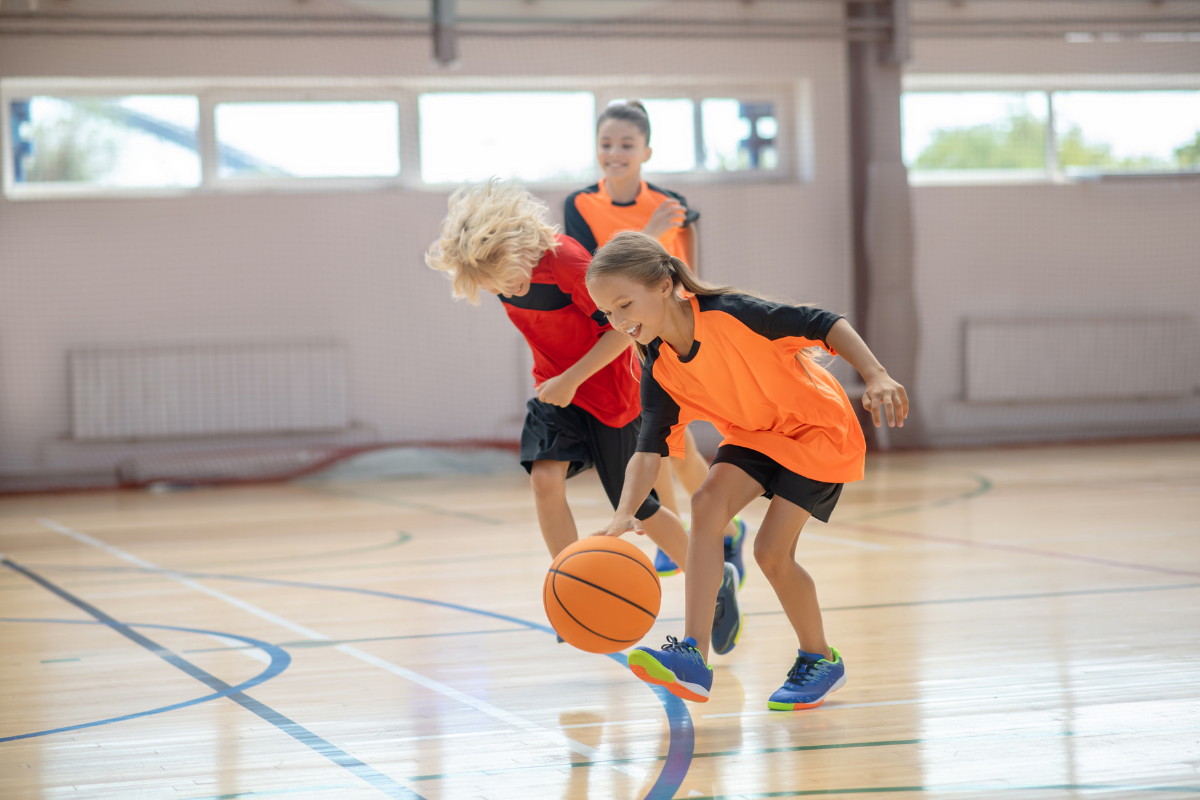
Why Sports Are One of the Best Ways to Raise Healthy, Happy Kids
Building healthy habits starts early, and one of the most effective ways to help children develop lifelong positive behaviors is through sports. Whether it’s tennis, soccer, basketball, volleyball, or another activity, youth sports offer much more than physical exercise. They teach discipline, responsibility, teamwork, and resilience while encouraging children to live active, healthy lives.
In today’s digital world, where screens often compete for children’s attention, participating in sports provides a healthy balance. Kids learn valuable life skills, improve their physical fitness, and gain confidence that extends beyond the playing field. More importantly, they establish routines and habits that can benefit them for years to come.
Sports Create Healthy Daily Routines
One of the greatest benefits of sports is the structure they provide. Regular practices, games, and training sessions encourage children to develop consistent routines. They learn to manage their time, prepare their equipment, and arrive on time for practices and competitions.
These routines often carry over into other areas of life. Children who consistently attend sports practices are more likely to develop good study habits, complete household responsibilities, and understand the importance of commitment. Instead of relying solely on motivation, they discover that success comes from showing up and putting in the effort every day.
This consistency helps children understand that healthy habits are built one small step at a time.
Physical Activity Supports Overall Health
Regular physical activity is essential for growing children. Sports help strengthen muscles and bones, improve cardiovascular health, enhance coordination, and increase flexibility. Active kids are also more likely to maintain a healthy weight and develop strong motor skills.
Beyond physical fitness, sports contribute to better overall wellness. Children who exercise regularly often have more energy throughout the day, sleep better at night, and are better prepared to focus in school. Physical activity also supports healthy brain development, making it easier for kids to concentrate and retain information.
By making movement fun, sports encourage children to stay active instead of viewing exercise as a chore. This positive relationship with fitness often continues into adulthood, creating a foundation for lifelong health.
Sports Build Confidence and Mental Resilience
Every child experiences challenges, and sports provide a safe environment to learn how to overcome them. Whether mastering a new skill, improving performance, or bouncing back after a loss, young athletes develop resilience through experience.
Each accomplishment, no matter how small, builds confidence. Children begin to realize that improvement comes through practice and perseverance rather than instant success. This growth mindset encourages them to approach new challenges with determination instead of fear.
Sports also help children manage stress in healthy ways. Physical activity naturally reduces tension and boosts mood, while learning to handle wins and losses teaches emotional control. These valuable coping skills benefit children both on and off the court or field.
Healthy Habits Go Beyond Exercise
Sports naturally encourage healthier lifestyle choices. Active children quickly learn that eating nutritious foods and staying hydrated help them perform their best during practices and games. Instead of viewing healthy eating as a set of rules, they begin to understand how proper nutrition fuels their bodies.
Participation in sports also reduces sedentary behavior. Rather than spending hours on phones, tablets, or video games, children engage in physical activity, socialize with teammates, and spend more time outdoors.
This healthier balance between screen time and active play contributes to improved physical and mental well-being while encouraging habits that can last a lifetime.
Sports Teach Valuable Life Skills
While winning games can be exciting, the most meaningful lessons often happen during practice. Sports teach children how to work with others, communicate effectively, solve problems, and support teammates. These social skills become valuable throughout school, future careers, and personal relationships.
Sports also encourage responsibility and accountability. Athletes learn to follow instructions, respect coaches and teammates, and take ownership of their actions. Setting personal goals and working steadily toward achieving them teaches patience and determination.
Perhaps most importantly, children learn that setbacks are not failures—they are opportunities to learn, improve, and come back stronger. This perspective builds resilience that extends well beyond sports.
Parents Play an Important Role
Parents have a tremendous influence on their child’s sports experience. Encouraging participation, celebrating effort, and maintaining a positive attitude can help children develop a lifelong love for physical activity.
Rather than focusing only on scores or trophies, parents should recognize progress, commitment, and personal growth. Praising effort reinforces confidence and teaches children that improvement matters more than perfection.
Creating a supportive environment also allows children to enjoy sports without unnecessary pressure. When kids have fun while learning new skills, they are much more likely to remain active as they grow older.
Parents can also reinforce healthy habits at home by providing nutritious meals, encouraging proper hydration, maintaining consistent sleep schedules, and making physical activity a regular part of family life.
Conclusion
Building healthy habits through sports is one of the greatest investments parents can make in their children’s future. Sports promote physical fitness, strengthen mental health, improve confidence, and teach essential life skills that extend far beyond competition.
The lessons children learn through sports—discipline, teamwork, perseverance, responsibility, and resilience—help prepare them for success in school, relationships, and everyday life. At the same time, regular physical activity encourages healthy routines that support long-term wellness.
Every practice, every game, and every challenge contributes to a child’s personal growth. By encouraging children to participate in sports, parents are helping them build healthy habits that can lead to happier, healthier, and more successful lives. The positive impact of sports doesn’t end with the final whistle—it becomes part of who they are for years to come.