
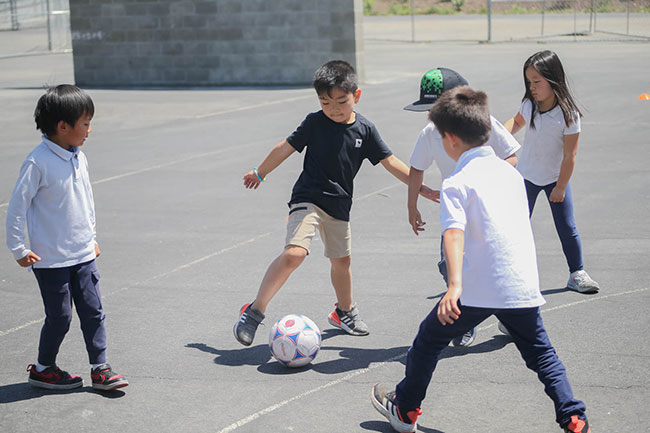
As families prepare for a new school year, many parents focus on classroom supplies, homework routines, and academic goals. While these are important, what happens after the school day ends can have an equally powerful impact on a child’s development. More than ever, after-school sports programs are helping children build healthy habits, improve social skills, and develop confidence that extends far beyond the playing field.
In today’s digital world, children spend more time in front of screens and less time engaging in physical activity. That shift has made structured after-school activities increasingly valuable. Whether it’s tennis, soccer, volleyball, dance, or other youth sports, after-school programs provide children with opportunities to stay active, make friends, and develop skills that support long-term success.
Why Structured After-School Activities Matter
The hours immediately following school are often the least structured part of a child’s day. Without a planned activity, many children spend this time watching television, playing video games, or scrolling through devices. While downtime is important, too much sedentary behavior can negatively affect physical and mental well-being.
After-school sports programs create a positive routine that keeps children engaged and active. Having a consistent schedule helps children develop responsibility while giving them something to look forward to after school. These programs provide a safe and supportive environment where kids can learn, grow, and have fun.
Parents also benefit from knowing their children are participating in productive activities that promote personal development. Instead of simply filling time, after-school sports help children build skills that contribute to success in school and everyday life.
Encouraging Physical Activity in a Screen-Focused World
One of the greatest benefits of youth sports programs is their ability to promote regular physical activity. According to health experts, children need daily movement to support healthy growth and development. However, many kids struggle to get enough exercise due to increasing screen time and busy family schedules.
After-school sports programs make fitness enjoyable. Children can run, jump, compete, and learn new skills while staying active in an engaging environment. Unlike traditional exercise, sports encourage movement through fun and social interaction, making kids more likely to stay involved.
Regular participation in sports can help improve strength, coordination, balance, and overall fitness. It also supports healthy habits that children can carry into their teenage years and adulthood. When kids learn to enjoy being active at a young age, they are more likely to maintain an active lifestyle throughout their lives.
Building Confidence and Independence
Sports offer children opportunities to challenge themselves and achieve goals. Whether learning a new tennis stroke, scoring a goal, or mastering a volleyball skill, every accomplishment helps build self-confidence.
Confidence grows when children see the results of their effort and persistence. They learn that improvement takes practice and that mistakes are a natural part of learning. These experiences teach children to believe in their abilities and approach challenges with a positive mindset.
After-school sports programs also encourage independence. Children learn to follow instructions, manage responsibilities, and take ownership of their progress. These lessons often translate into improved performance in school and other areas of life.
As children become more confident, they are more willing to try new things, participate in group activities, and take on leadership roles. These qualities can have a lasting impact on their personal and academic growth.
Developing Social Skills and Teamwork
For many children, after-school sports provide valuable opportunities to connect with peers outside the classroom. Participating in sports helps children develop communication skills, teamwork, and cooperation while building meaningful friendships.
Team activities teach children how to work toward shared goals, support others, and handle both success and disappointment with respect. They learn the importance of listening, encouraging teammates, and contributing to a positive group environment.
Even individual sports such as tennis help children develop social confidence. Players interact with coaches, teammates, and opponents while learning sportsmanship and respect.
These experiences are especially important as children return to school and adjust to new classmates, teachers, and social situations. Strong social skills can improve confidence, reduce anxiety, and help children feel more connected to their community.
Supporting Academic Success
Many parents worry that sports may take time away from academics. In reality, research consistently shows that physical activity can support learning and academic performance.
Exercise increases blood flow to the brain, which can improve focus, concentration, and memory. Children who participate in sports often return home feeling energized and ready to complete homework more effectively.
Sports also teach valuable life skills that support academic achievement. Time management, goal setting, discipline, and perseverance are all developed through regular participation in athletic activities.
When children balance schoolwork with sports, they learn how to manage responsibilities and prioritize tasks. These habits become increasingly important as academic demands grow throughout middle school and high school.
Choosing the Right After-School Sports Program
Not every child has the same interests or athletic abilities. The best after-school sports program is one that matches a child’s personality, goals, and interests.
Parents should look for programs that focus on skill development, positive coaching, and age-appropriate instruction. A supportive environment helps children feel comfortable learning new skills and encourages long-term participation.
Programs that emphasize fun, effort, and personal growth often create the most rewarding experiences. While competition can be motivating, children benefit most when the focus remains on learning, improvement, and enjoyment.
Sports such as tennis, soccer, volleyball, dance, and multi-sport programs offer excellent opportunities for children to stay active while exploring new interests. The goal is to help children find activities they genuinely enjoy and want to continue.
Investing in Your Child’s Future
After-school sports programs offer far more than physical activity. They help children develop confidence, discipline, teamwork, leadership, and resilience, qualities that contribute to success both inside and outside the classroom.
As the new school year begins, parents have an opportunity to support their children’s growth in meaningful ways. By participating in youth sports and after-school activities, children gain valuable experiences that help them stay healthy, build friendships, and develop lifelong skills.
In a time when physical activity and social connection are more important than ever, after-school sports programs remain one of the best investments families can make. They provide a foundation for academic success, personal growth, and healthy living that can benefit children for years to come.