
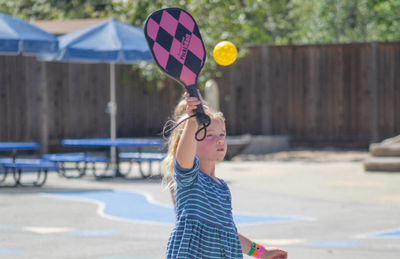
Finding the right after-school activity can make a lasting impact on your child’s physical health, confidence, and overall development. Fortunately, families have access to some of the best after-school sports programs in the Bay Area, offering children exciting opportunities to stay active, learn new skills, and build meaningful friendships in a safe and supportive environment.
Whether your child enjoys tennis, soccer, volleyball, pickleball, dance, or multi-sport activities, the right program can turn the hours after school into a time filled with growth, learning, and fun. Beyond improving athletic ability, quality after-school sports programs help children develop healthy habits, leadership skills, and a lifelong appreciation for physical activity.
What Makes an Outstanding After-School Sports Program?
Not all youth sports programs are created equal. The best after-school sports programs focus on much more than competition. They provide a structured environment where children feel encouraged to learn at their own pace while building confidence and enjoying every session.
Experienced coaches are one of the most important qualities to look for. Skilled instructors understand how to teach children using positive reinforcement while making practices engaging and age-appropriate. Safety, communication, and small class sizes also contribute to a better learning experience by ensuring every child receives individual attention.
An exceptional program emphasizes character development alongside athletic instruction. Children learn responsibility, respect, teamwork, and perseverance—qualities that benefit them both on and off the playing field.
Popular After-School Sports Programs in the Bay Area
The Bay Area offers a wide variety of after-school enrichment opportunities designed for children of all ages and skill levels. Parents can choose programs based on their child’s interests, personality, and developmental goals.
After-school tennis programs remain one of the most popular choices. Tennis helps children improve balance, coordination, focus, agility, and strategic thinking while promoting lifelong fitness. Because it can be played individually or with partners, tennis encourages both independence and teamwork.
Soccer programs continue to attract families looking for an energetic team sport. Young athletes develop endurance, communication skills, and decision-making abilities while learning the importance of cooperation and sportsmanship.
Volleyball classes introduce children to teamwork, coordination, and quick reflexes. As players practice serving, passing, and setting, they also strengthen their confidence and communication skills.
Pickleball programs have grown rapidly in popularity across the Bay Area. Easy to learn and enjoyable for beginners, pickleball improves hand-eye coordination, balance, and reaction time while creating a fun, social environment.
Many organizations also offer dance, yoga, martial arts, and multi-sport enrichment programs, giving children opportunities to explore different activities before committing to a favorite sport.
Why Sports Matter After School
The hours immediately following school are an ideal time for children to remain active instead of becoming sedentary. Participating in after-school sports provides regular physical exercise while reducing screen time and encouraging healthier daily routines.
Exercise strengthens muscles and bones, improves cardiovascular health, increases flexibility, and develops coordination. Active children often experience better sleep, improved concentration in school, and higher energy levels throughout the day.
Sports also support emotional well-being. Physical activity naturally reduces stress while boosting mood and self-esteem. Children gain confidence as they master new skills, accomplish personal goals, and overcome challenges during practice and competition.
These experiences teach resilience. Young athletes quickly learn that improvement comes through consistent effort rather than instant success—a lesson that carries into academics and everyday life.
Building Life Skills Beyond Athletics
One of the greatest benefits of youth sports extends far beyond physical fitness. Every practice and every game presents opportunities to develop valuable life skills that prepare children for future success.
Team sports teach communication, collaboration, and respect. Children learn how to encourage teammates, solve problems together, and contribute to shared goals. Individual sports build accountability, independence, and self-discipline while teaching athletes to take ownership of their progress.
Goal setting becomes a natural part of the learning process. Whether improving a tennis serve, mastering a volleyball skill, or increasing soccer endurance, children learn that meaningful progress requires patience, consistency, and determination.
These lessons create confident, resilient individuals who are better equipped to handle challenges both inside and outside the classroom.
Choosing the Best Program for Your Child
Selecting the right after-school sports program begins with understanding your child’s interests and personality. Some children thrive in fast-paced team environments, while others prefer individual sports that allow them to progress independently.
Parents should also consider the program’s location, schedule, coaching philosophy, and class size. Convenient locations near schools or neighborhoods make attendance easier for busy families, while flexible scheduling helps accommodate changing routines.
Look for programs that maintain open communication with parents and prioritize both skill development and enjoyment. Children are much more likely to continue participating when they feel supported rather than pressured.
Visiting a practice or enrolling in a trial class can also help families determine whether a program is the right fit before making a long-term commitment.
Why Bay Area Families Choose After-School Sports
The Bay Area has long been recognized for valuing education, wellness, and community involvement. After-school sports programs complement these priorities by providing safe, enriching environments where children continue learning long after the school bell rings.
For working parents, these programs offer reliable supervision while giving children opportunities to stay active and socially engaged. Students build friendships, strengthen leadership skills, and develop healthy habits that contribute to lifelong success.
Many families also appreciate that sports encourage balance in children’s daily lives. Instead of spending afternoons on electronic devices, kids participate in meaningful activities that challenge both their minds and bodies while fostering confidence and independence.
Conclusion
The best after-school sports programs in the Bay Area do much more than teach athletic skills. They help children build confidence, develop healthy habits, strengthen social connections, and learn valuable life lessons that will benefit them for years to come.
Whether your child chooses tennis, soccer, volleyball, pickleball, dance, or another after-school enrichment activity, participating in youth sports creates opportunities for growth in every aspect of life. With experienced coaches, supportive environments, and engaging instruction, these programs empower children to become healthier, happier, and more confident individuals.
Investing in a quality after-school sports program is an investment in your child’s future. The skills they gain today—from teamwork and discipline to resilience and leadership—will continue to serve them long after the final whistle, helping them succeed in school, relationships, and beyond.