
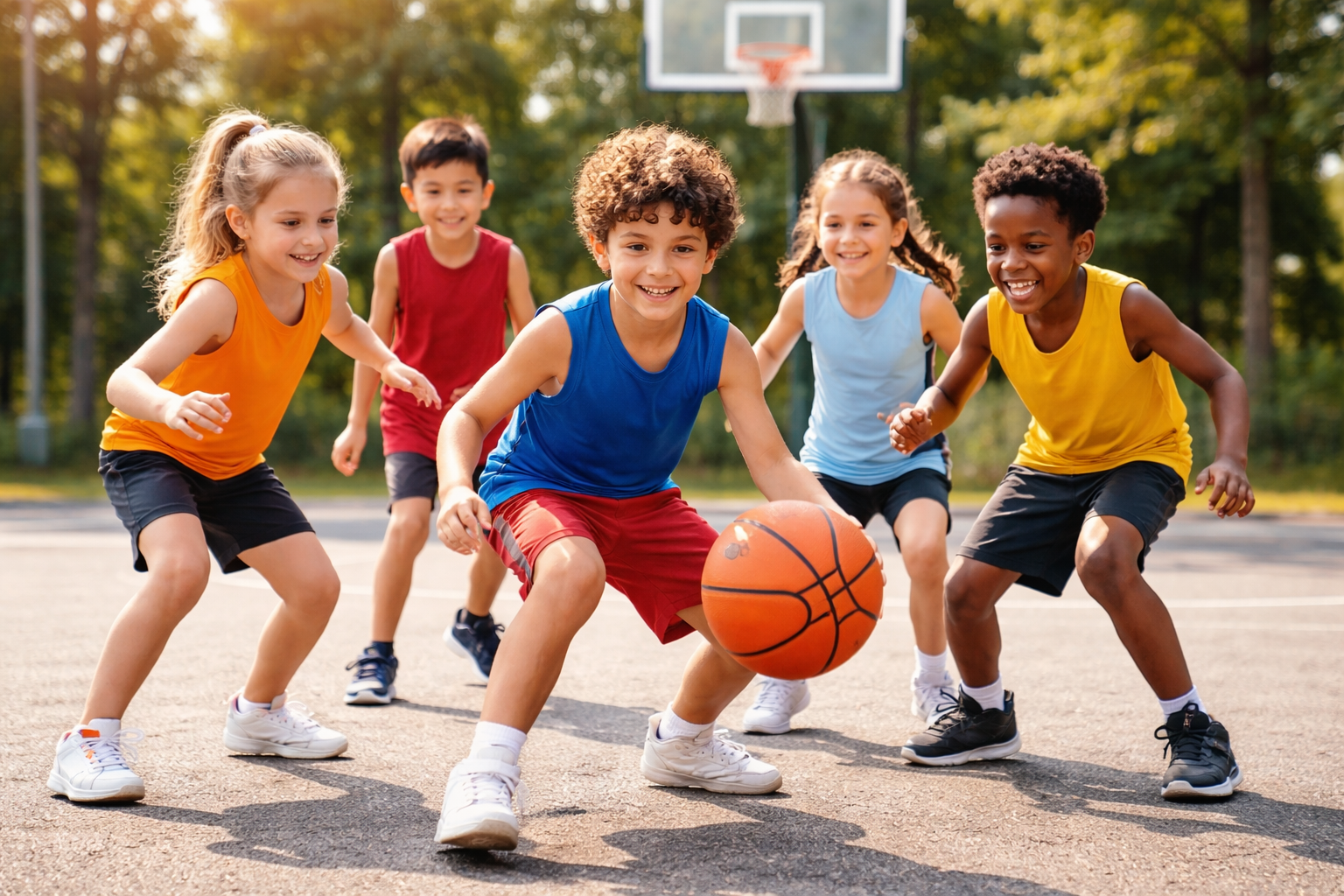
Summer break brings longer days, looser schedules, and a welcome pause from academic routines. But it also introduces a familiar challenge for many families: how to keep kids active, engaged, and healthy when school is out. Without structure, screen time can easily take over, and physical activity often takes a back seat. The good news is that with a bit of planning and creativity, summer can become the most active, energetic, and development-rich season of the year.
Keeping children physically active during summer is not just about burning energy; it supports physical development, emotional well-being, and cognitive growth. When movement is fun and consistent, kids naturally build healthier habits that carry into the school year.
Why Summer Activity Matters for Kids
Children are naturally energetic, but that energy needs direction. Regular physical activity helps support healthy growth, strong muscles, and improved coordination. It also plays a major role in emotional regulation, helping kids manage mood, stress, and focus.
During summer, kids often experience more unstructured time. Without school-based physical education or recess, daily movement can decline significantly. This is where intentional activity becomes important.
Active play also improves brain function. Studies show that movement increases blood flow to the brain, enhancing attention, memory, and learning ability. Even simple activities like running, jumping, or playing catch can help sharpen focus and boost mental clarity.
Beyond physical and cognitive benefits, movement also builds confidence. When kids learn new skills, whether it’s hitting a tennis ball or scoring a goal, they develop a sense of achievement that strengthens self-esteem.
Fun Outdoor Sports to Keep Kids Moving
Outdoor sports are among the best ways to keep kids active during the summer. They naturally and enjoyably combine exercise, social interaction, and skill development.
Sports like tennis, soccer, and pickleball are especially effective because they keep children moving continuously. Tennis builds hand-eye coordination, agility, and patience. Soccer enhances endurance, teamwork, and quick decision-making. Pickleball, which is growing rapidly across the United States, offers a fun and accessible way for kids to develop coordination and reaction time.
The key is to keep it light and enjoyable. Kids don’t need formal training sessions to benefit. A simple rally, a backyard soccer match, or a friendly neighborhood game is often enough to keep them engaged and active.
Turning play into skill-building is another powerful approach. For example, setting small challenges like “hit five balls in a row” or “score three goals in a minute” can motivate kids without pressure. These micro-goals create excitement while naturally improving athletic ability.
Outdoor play also encourages social development. Children learn communication, teamwork, and sportsmanship—skills that are just as important as physical fitness.
Creative Indoor Activities for Hot Summer Days
Not every summer day is suitable for outdoor play, especially during extreme heat or rainy weather. That’s where indoor activities become essential for maintaining movement.
Indoor exercise doesn’t need to be complicated. Simple games like obstacle courses using pillows, chairs, and tape lines can transform a living room into an adventure zone. Kids can crawl, jump, and balance their way through challenges that feel more like play than exercise.
Dance sessions are another excellent option. Putting on music and letting kids move freely helps improve rhythm, coordination, and cardiovascular health. It also allows self-expression, which is important for emotional development.
Balloon volleyball, scavenger hunts, and “follow the leader” movement games are also effective ways to keep kids active indoors. These activities may seem simple, but they encourage constant movement, agility, and quick thinking.
Parents can also introduce short fitness breaks throughout the day. Ten minutes of jumping jacks, stretching, or yoga-inspired movements can refresh energy levels and break up long periods of sitting.
The goal is not intensity; it is consistency. Even small bursts of movement add up over time and help maintain a healthy activity level.
Building a Healthy and Flexible Summer Routine
While summer should feel relaxed, having a gentle structure helps kids stay balanced. A predictable rhythm creates stability without removing freedom.
A healthy summer routine might include outdoor play in the morning when temperatures are cooler, indoor creative time or rest during midday heat, and light evening activities such as walking or biking. This flow keeps energy levels steady throughout the day.
Consistency is more important than strict scheduling. Kids don’t need rigid time blocks—they need a rhythm that helps them understand when it’s time to move, rest, and explore.
Sleep and hydration also play a major role in maintaining energy. Active kids need proper rest to recover and water to stay energized, especially during hot summer months.
When routines are flexible yet consistent, children are more likely to stay active without feeling restricted. This balance helps create long-term healthy habits rather than short-term discipline.
How Parents Can Encourage Active Habits
Parents play a powerful role in shaping a child’s activity level. Children are more likely to stay active when they see movement modeled at home.
One of the most effective strategies is participation. When parents join in, whether it’s a game of catch, a bike ride, or a family walk, kids naturally become more engaged. Shared activity also strengthens family bonds.
Making movement social is another strong motivator. Organizing playdates, neighborhood games, or family challenges turns exercise into something exciting rather than obligatory. Kids thrive in environments where activity feels like connection.
Encouragement is more effective than instruction. Instead of telling kids to “go exercise,” inviting them to “play a quick game” feels more welcoming and fun. Language matters in shaping perception.
Small rewards and recognition can also help reinforce active behavior. Celebrating effort rather than performance encourages consistency and enjoyment.
Most importantly, parents should allow freedom within structure. When kids feel ownership over their activities, they are more likely to stay engaged and develop a lifelong appreciation for movement.
Final Thoughts
Summer break doesn’t have to mean a pause in physical activity. In fact, it can be an opportunity to build stronger, healthier, and more active habits. With a mix of outdoor sports, indoor creativity, flexible routines, and supportive parenting, children can stay energized and engaged all season long.
The goal is simple: move a natural and enjoyable part of everyday life. When activity feels like play, kids don’t need reminders; they simply want to move, explore, and grow.