
The school day ends, the backpack hits the floor, and the familiar question arrives: “Can I play on my tablet?” Screens are convenient and entertaining, but the hours after school can also be an ideal opportunity for movement, social connection, and skill development.
The goal is not to eliminate screen time. It is to create balance. After-school sports can give kids a structured way to stay active while building confidence, discipline, teamwork, and resilience. With reasonable screen boundaries, sports can become part of a healthy routine that feels enjoyable instead of restrictive.
Why the After-School Hours Matter
Some kids need a snack and quiet time, while others are ready to move immediately. If the automatic routine becomes snacks, screens, and hours on the couch, inactivity can quickly feel normal.
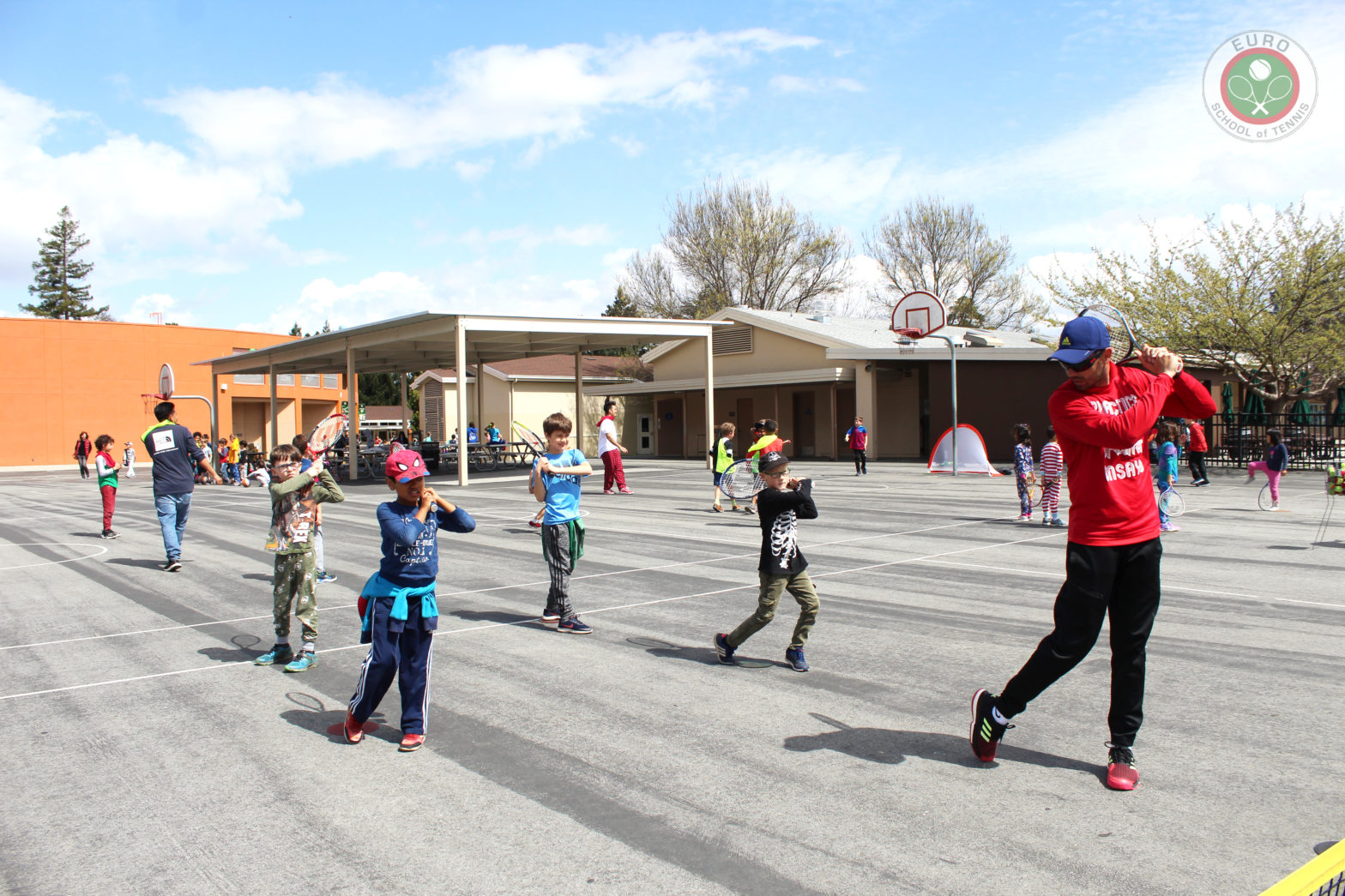
An after-school sport introduces a different rhythm. Instead of moving directly from a classroom chair to a couch, kids have an opportunity to run, jump, swim, kick a ball, or practice tennis.
Routines also make healthy habits easier to maintain. When an activity happens at a predictable time, there is less daily negotiation. A child might have tennis practice on Tuesdays and Thursdays, followed by homework and limited screen time. Finding an activity that fits the family matters most.
Benefits of After-School Sports
Physical activity is one of the clearest benefits of youth sports. Running, jumping, throwing, swimming, and playing tennis can help children develop coordination, balance, agility, strength, and endurance. These skills support an active lifestyle as kids grow.
Sports also teach lessons that extend beyond physical fitness. Children miss shots, lose games, struggle with unfamiliar skills, and sometimes have disappointing practices. Those moments can build resilience. Regular participation can teach kids to practice, accept coaching, manage frustration, and try again.
Sports can also strengthen confidence. When a child masters a difficult skill after repeated attempts, the achievement becomes evidence that effort can produce progress. That lesson can carry into school, friendships, and other challenges.
Social connection is another advantage. Team sports encourage communication, cooperation, and shared responsibility. Individual sports create social opportunities through coaches, teammates, and training partners. Face-to-face interaction also helps kids practice listening, reading body language, and handling disagreements.
Understanding Screen Time
Screens are appealing for good reasons. Games provide immediate feedback, videos are endlessly available, and digital entertainment requires little effort. After a tiring school day, that convenience can be hard to resist.
Not all screen time is the same. Kids may use technology for homework, research, creativity, communication, or educational activities. The more useful question is how screen time fits into the entire day.
A balanced approach is usually more practical than eliminating screens completely. Children can enjoy gaming, streaming, and other digital activities while still making time for sports, outdoor play, reading, homework, and family activities.
Creating a Healthy Balance
A realistic after-school routine might look like this: school, snack and downtime, sports or active play, homework, screen time, dinner, and bedtime. The order can change depending on the child and family schedule.
The important part is giving physical activity a defined place rather than treating it as something that happens only when there is leftover time.
Sports should not feel like punishment. Saying “Go practice instead of playing video games” can make physical activity sound like a consequence. Instead, sports should be presented as a chance to play, improve skills, spend time with friends, and discover new interests.
Screen time can still have a place. A child might attend tennis practice, finish homework, eat dinner, and then enjoy a short period of gaming. This creates structure without making entertainment something a child has to earn.
Practical Ways to Build an Active Routine
Consistency is powerful. If sports practice happens at the same time each week, children can anticipate it and accept it as part of normal life. On non-practice days, families can create a movement window for walking, biking, outdoor games, or a trip to the park.
Choosing a sport a child genuinely enjoys is equally important. Some kids thrive in team environments. Others prefer tennis, swimming, gymnastics, martial arts, or individual activities. The best sport is one a child wants to return to.
Families can also make movement a shared habit. Evening walks, bike rides, backyard games, and weekend activities show children that physical activity is a normal part of everyday life. It can be simple.
Busy weekdays require flexibility. Not every afternoon needs formal practice. A 20-minute walk or outdoor game can still provide movement when homework, appointments, or other responsibilities fill the schedule.
Making the Routine Sustainable
A sustainable routine should focus on effort, not just performance. Praise persistence, preparation, teamwork, and improvement instead of making winning the only measure of success. “Great job sticking with that drill” can reinforce a healthier mindset than focusing only on the final score.
Flexibility matters, too. Weather changes, practices get canceled, and school workloads fluctuate. If one activity falls through, another form of movement can take its place. Healthy habits do not require perfection.
The long-term goal is bigger than reducing screen time. It is helping kids develop a positive relationship with physical activity. When children learn that sports, outdoor play, and movement can be enjoyable, those habits may become part of their lifestyle.
The Bigger Picture
After-school sports do not need to completely replace screen time. That creates a false choice. Kids can enjoy technology and still lead active lives.
The better question is whether the daily routine leaves enough room for movement, sleep, school responsibilities, social connection, family time, and recreation.
After-school sports can be an excellent anchor for that balance. They support physical fitness while also nurturing discipline, confidence, resilience, communication, and friendships. Screens will remain part of childhood, including digital entertainment and online learning. The goal is to make sure technology does not crowd out everything else.
A healthy after-school routine gives kids reasons to put the screen down, step outside, move their bodies, connect with others, and experience the satisfaction of improving at something. That is a habit worth building over time.