
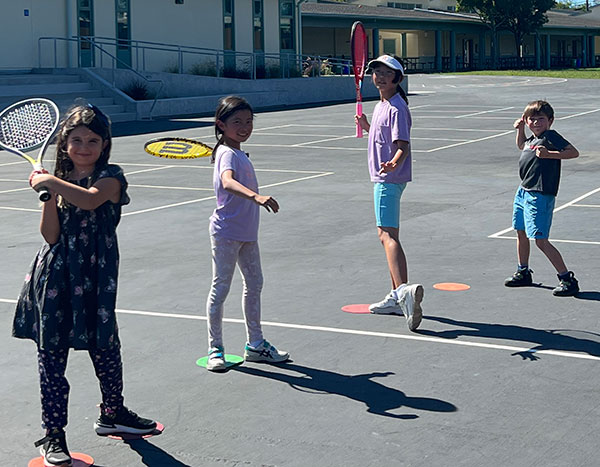
Summer break in the United States is often seen as a pause from academics, a stretch of long days, relaxed mornings, and fewer obligations. But when approached intentionally, it becomes something far more powerful than rest. It becomes a skill-building season for kids, where growth happens naturally through play, movement, and exploration.
Instead of simply filling time, summer can be designed as a meaningful experience where children develop confidence, creativity, and real-world abilities. The magic lies in turning everyday summer activities into opportunities for learning without pressure.
Rethinking Summer Break as a Season of Growth
For many families, summer break begins with excitement and quickly drifts into unstructured routines. While rest is important, too much unstructured time can lead to boredom, excessive screen use, and reduced physical activity. This is where the idea of intentional summer learning becomes valuable.
Children thrive when they have a balance of freedom and structure. They don’t need rigid schedules, but they do benefit from gentle routines that include physical activity, creative play, and social interaction. This blend creates what experts often call “structured freedom,” a space where kids feel relaxed yet engaged.
In this environment, summer is no longer just downtime. It becomes a season of discovery. A simple game in the backyard, a group activity at camp, or even a creative indoor project can spark curiosity and encourage children to try new things.
When summer is reframed this way, it shifts from idle time into a powerful developmental window where learning feels natural, not forced.
How Activities Turn Into Real Skill-Building Experiences
One of the most effective ways for children to grow during the summer is through activity-based learning. Unlike traditional classroom instruction, these experiences are hands-on, dynamic, and often invisible as “learning” to the child.
Sports and physical activities are a major part of this growth. Games like tennis, soccer, and basketball, as well as increasingly popular sports like pickleball, help develop coordination, agility, and endurance. More importantly, they build discipline, focus, and perseverance. Every swing, pass, or rally teaches kids how to improve through repetition and effort.
For example, tennis is especially powerful for skill development. It strengthens hand-eye coordination, teaches patience, and requires strategic thinking. Soccer encourages teamwork, communication, and quick decision-making. These sports are not just physical outlets; they are training grounds for life skills.
Creative activities add another layer of development. Arts and crafts, music sessions, building projects, and storytelling exercises allow children to express their imagination in structured yet flexible ways. When a child paints, designs, or constructs something new, they learn problem-solving, planning, and creativity, all essential skills for the future.
Social interaction is equally important. Group games, team challenges, and collaborative projects teach communication, empathy, and cooperation. Kids learn how to navigate disagreements, celebrate wins together, and support peers. These social skills often become some of the most valuable outcomes of summer programs.
Together, these experiences form a well-rounded system of summer skill development for kids, blending movement, creativity, and teamwork into one seamless experience.
Learning Without Pressure: The Power of Play-Based Growth
One of the most underrated advantages of summer break is the absence of academic pressure. Without grades, tests, or strict expectations, children are free to explore learning more naturally.
This is where play-based learning becomes incredibly powerful. Kids absorb skills through experience rather than instruction. A simple relay race teaches coordination and teamwork. A backyard game becomes a lesson in strategy and timing. A group art project becomes an exercise in collaboration and decision-making.
Because there is no fear of failure, children become more willing to try new things. This freedom builds confidence in subtle but lasting ways. Each small success, whether mastering a new skill or completing a group challenge, strengthens self-belief.
Curiosity also expands in this environment. Kids begin to experiment, ask questions, and engage more deeply with their surroundings. Without pressure, learning feels light, enjoyable, and self-driven.
This type of environment is especially important for emotional development during summer break. Children learn that mistakes are part of growth, not something to fear. That mindset becomes a foundation for resilience later in life.
How Summer Shapes Long-Term Development and Character
While summer experiences may seem simple on the surface, their long-term impact is significant. The habits and skills developed during these months often influence a child’s academic performance, social behavior, and emotional strength.
One of the key outcomes is discipline through routine. Even in relaxed settings, consistent participation in activities helps children understand structure. Showing up for camp, joining daily games, or completing creative tasks teaches responsibility without pressure.
Another important benefit is emotional resilience. Through games and group interactions, children experience both success and failure in a supportive environment. They learn how to handle disappointment, adapt to change, and celebrate progress. These experiences build mental strength in a way that feels natural and engaging.
Independence also grows significantly. Being away from home in structured summer programs encourages kids to make small decisions on their own. Whether choosing activities, managing time, or solving minor challenges, they gradually build self-reliance and confidence.
Physical development continues as well. Active summer routines improve stamina, coordination, and overall health. Regular movement supports not only fitness but also better focus and mood regulation.
When combined, these benefits make summer a powerful period of holistic child development, shaping both character and capability.
Creating the Ideal Skill-Building Summer Experience
Designing a meaningful summer experience starts with choosing the right environment. The best programs combine structure with flexibility, ensuring that children feel both guided and free.
A strong summer camp or activity program should offer variety. A mix of sports, creative arts, and group-based activities keeps children engaged and prevents monotony. Variety also helps kids discover new interests they may not encounter in school.
Balance is equally important. A well-designed summer schedule includes active play, quiet time, and creative exploration. This rhythm keeps energy levels steady while allowing space for rest and reflection.
Parents also play a key role in shaping the experience. Encouraging children to try different activities—especially those outside their comfort zone- can lead to unexpected growth. Sometimes a child’s hidden talent is discovered through a simple summer activity they never expected to enjoy.
Most importantly, the ideal summer environment should feel joyful. When kids are excited to participate, learning happens naturally. There is no need for force or pressure, just opportunity, curiosity, and movement.
Final Thoughts
Summer break is often viewed as a pause from learning, but in reality, it is one of the most important skill-building seasons for children. It is a time when growth happens through play, exploration, and connection.
Through sports, creativity, and social interaction, kids develop essential life skills like confidence, teamwork, independence, and resilience. These experiences may feel light and fun, but their impact is long-lasting.
When summer is designed with intention, it becomes more than a break. It becomes a foundation. A season where children don’t just rest, they grow, discover, and evolve into more capable versions of themselves.